

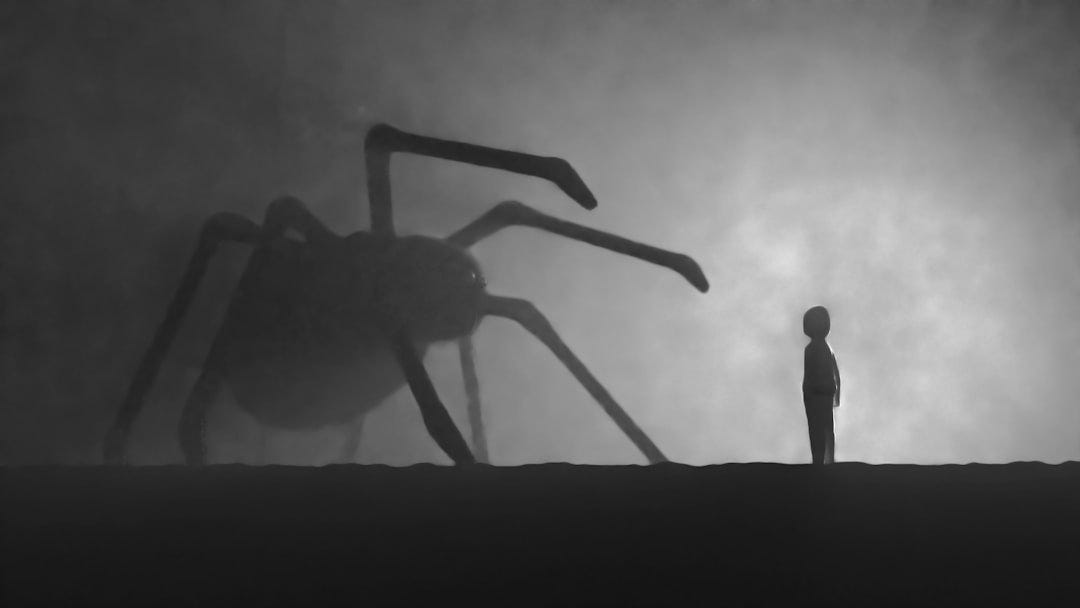
In movies, courageous characters present as fearless, charged with adrenaline, clear-headed, and unshaken. They face formidable opponents and, dramatically, emerge victorious. But that’s in movie.
In real life, courage looks very different. It often comes with doubt, trembling hands, and a knot in your stomach. Courageous people feel fear just like everyone else. The difference is that they choose to act anyway. They take the harder path and stand their ground. That is the reality of courage: it rarely feels the way we expect it to. Those who show it aren’t extraordinary; they are human.
Courage is not the absence of fear. It is action in the presence of it. Without fear, there would be no evidence of courage. It exists because something in you resists, hesitates, or wants to retreat, yet you move forward.
Most of the time, courage in modern life isn’t about grand, dramatic moments. It’s quieter than that. It’s sending the email you’ve been rewriting for weeks. It’s speaking honestly in a meeting despite the risk of disagreement. It’s ending a relationship that has been draining you, or finally starting something you’ve been thinking about for years. These are the small, private acts of bravery that often go unseen.
Fear will always offer a thousand reasons to wait for better timing, more preparation, or perfect conditions. But those conditions rarely come. Courage is the conviction that you can take a step—not a leap, just a step.
Each time you act with courage, you reinforce your identity. You become someone who does hard things. And over time, that identity compounds, making the next act of courage a little easier than the last.
So ask yourself, what is the one thing fear has been holding you back from? And what is the smallest possible step you can take toward it? Take it.
And as you do, may God grant you courage where you need it most. Where you once shrank, you will stand. Where you once delayed, you will move. You will face what once intimidated you, and in time, it will lose its power over you.