

A man spent 27 years in prison for a crime he did not commit. When he finally walked free, reporters gathered around him, microphones stretched toward his face. You would expect him to be full of rage and bitterness. Most people assumed he would spend the rest of his life fighting or blaming the people who had imprisoned him.
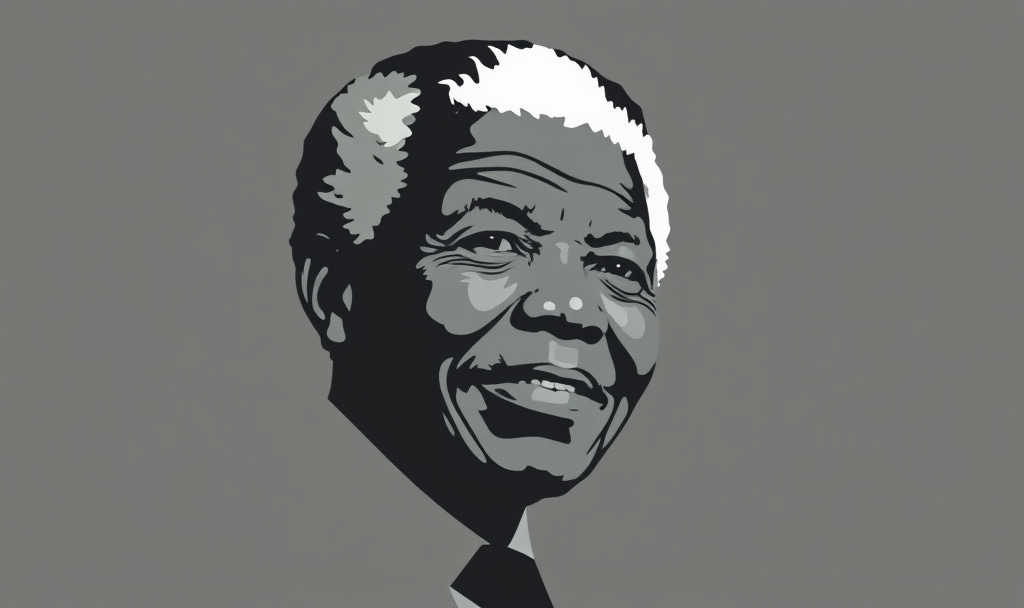
That man was Nelson Mandela.
And what he said stunned the world;
“As I walked out the door toward my freedom, I knew that if I did not leave my bitterness and hatred behind, I’d still be in prison.”
What makes that statement so powerful is not only forgiveness or resilience. Hidden inside it is something even deeper: ownership.
Mandela could not control what happened to him. He could not rewrite the injustice, recover the lost years, or erase the suffering. But he understood something most people never fully grasp. If he surrendered his future to bitterness and blame, his captors would continue controlling him long after the prison gates had opened. That is why blame is dangerous. Blame keeps your hands clean, but it also keeps them tied.
Ownership is different.
Ownership says: Yes, this happened. Yes, it hurt. Yes, it was unfair. But what happens next is still up to me.
The people who transform their lives are rarely the people with the easiest circumstances. They are the people who stop focusing on who is responsible and start taking responsibility for the part of life still entrusted to them. That small remaining part is often where power begins to return. And that is where life changes.
Blame feels good at first because it temporarily lifts the burden from your shoulders. When things go wrong, it protects your ego and allows you to feel justified. But whatever comfort blame provides, it also strips away your power. You cannot change what is in someone else’s hands.
Ownership is one of the most strategic and empowering positions you can take in a difficult situation. Even when circumstances are genuinely unfair, even when someone else contributed heavily to the problem, the moment you ask;
“What was my part in this, and what can I do differently?”
—You place yourself back in the driver’s seat.
Ownership does not mean absorbing all the blame. It means directing your energy toward what you can actually influence, rather than exhausting yourself by reacting to what you cannot control. It means facing forward rather than constantly turning backwards to throw blame.
A victims often ask;
“Why did this happen to me?” Why are they treating me unfairly?”
People who take ownership ask;
“What am I going to do about this?” How do I move forward from here?”
Both responses are understandable for someone in pain. But only one moves life forward.
Ownership also extends to our emotional lives. People can say hurtful things or do harmful actions, but what ultimately settles inside you is shaped by your interpretation, your response, and what you choose to carry forward.
It does not minimise pain or excuse wrongdoing. It simply recognises that you have more influence over your future than your wounds would have you believe.
Look honestly at an area of your life that is not working. Before asking who is responsible, first ask;
“What can I change?”
It rarely disappoints, because it immediately returns a sense of control.
Another way to approach difficult situations is to identify where you have been blaming circumstances or other people, then examine your own stake in the situation and the actions available to you moving forward.
That is ownership.
Not self-condemnation. Not shame. Not pretending others are innocent.
Ownership is the decision to steer the boat you are in, even if you did not create the storm.
“The price of greatness is responsibility.” — Winston Churchill.
The strongest people are not those who spend their lives reacting. They are the ones who keep making forward moves.