

The Disease That Never Really Paused
It’s World TB Day

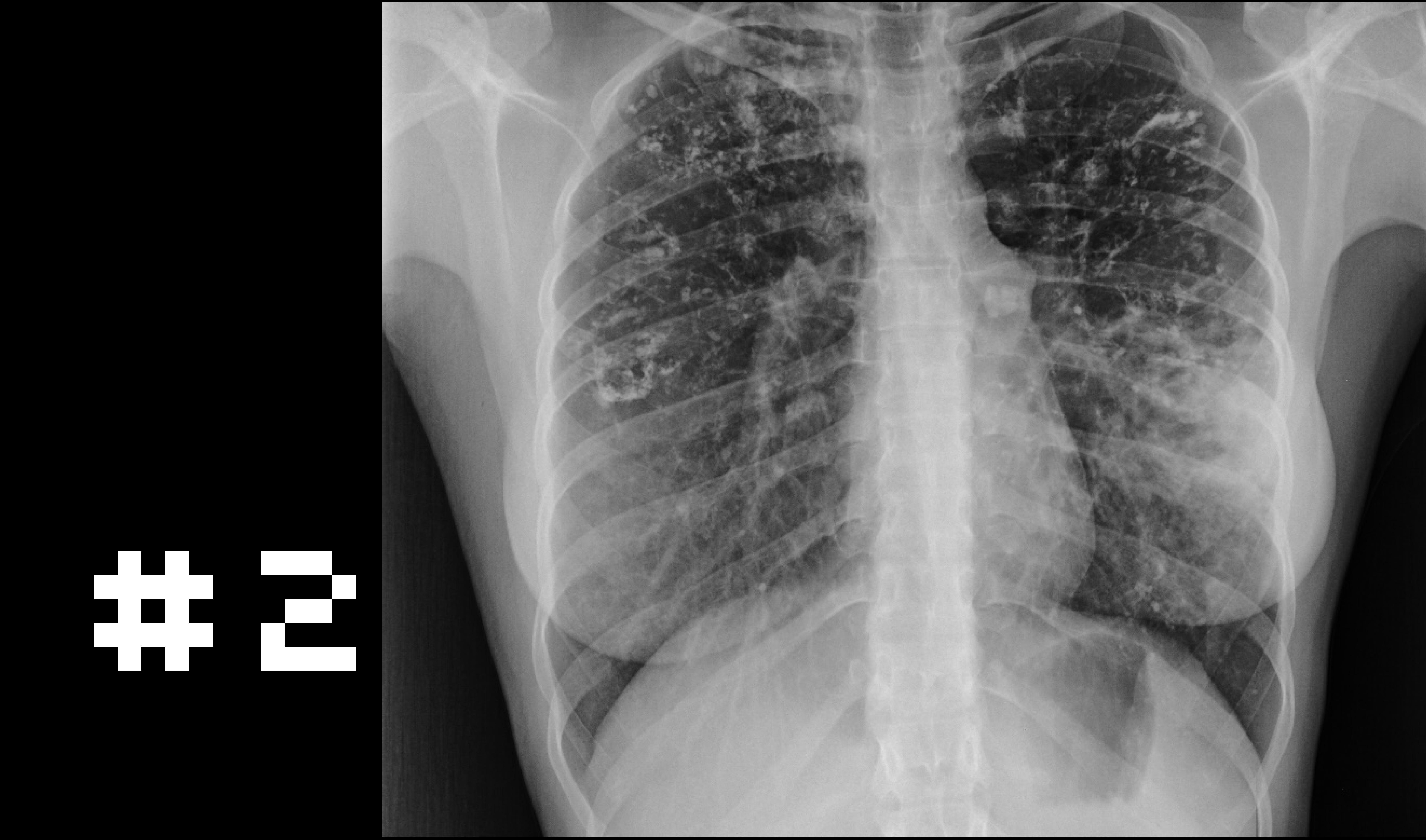
Every year on World Tuberculosis Day (March 24), the world pauses—briefly—to remember a disease that never really paused. It is not just a medical condition. It is a story of science, lifestyle, misconceptions, suffering, and unfinished victory.
Today, let’s step into a few of those stories.
On March 24, 1882, the German physician Robert Koch stood before a roomful of scientists and declared that he had identified the cause of tuberculosis. He called it Mycobacterium tuberculosis.
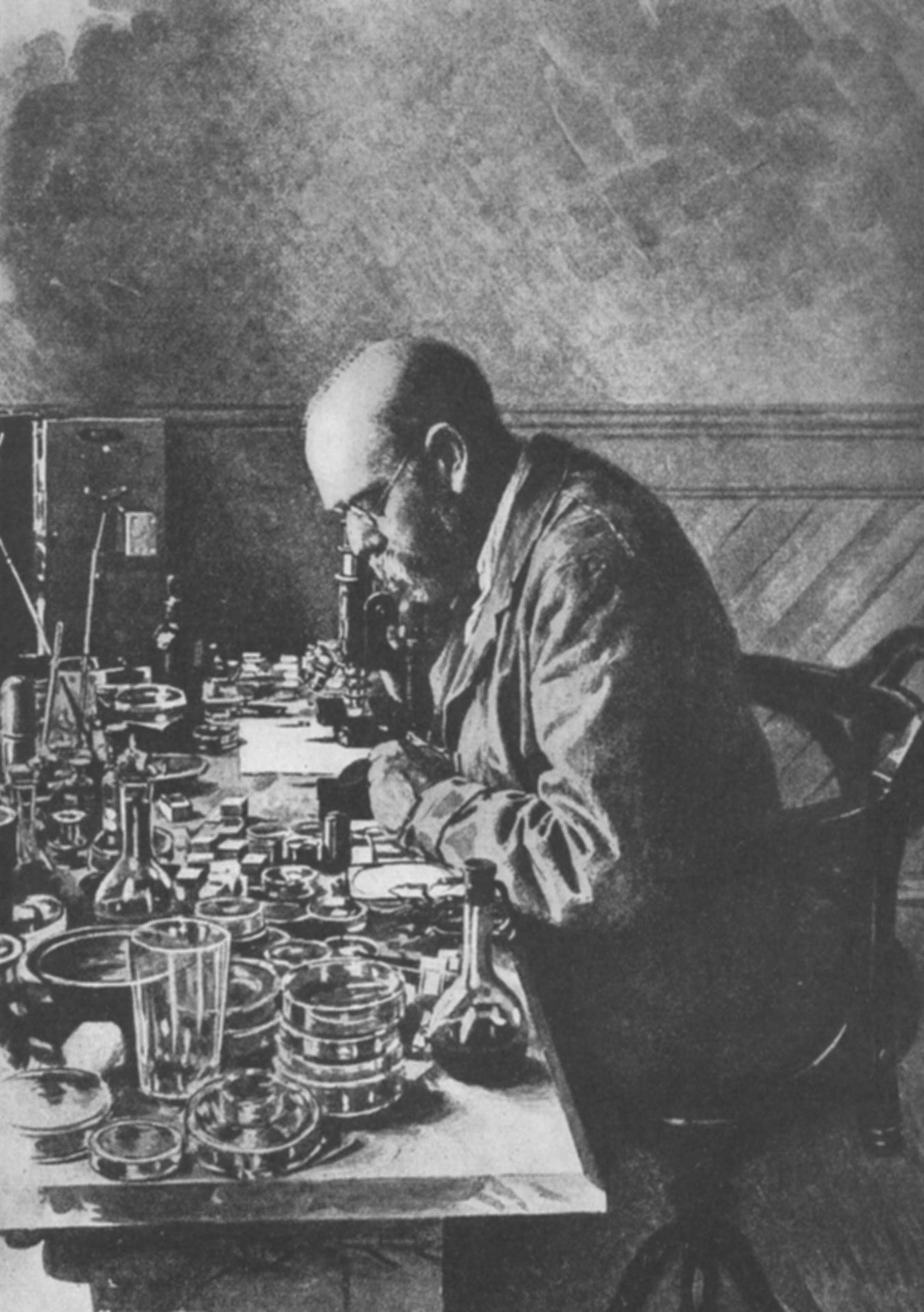
At a time when TB—then called “consumption”—was killing 1 in 7 people in Europe, this wasn’t just a discovery. It was hope, finally given a name.
Before then, TB was a mysterious thing. It’s uncertain whether to call it an illness or beauty in disguise.
People believed it was hereditary or even romantic.
Yes—romantic. And I will explain. In the 19th century, TB had a strange cultural identity. It was associated with pale skin, weight loss, and a fragile beauty. You know the same air of bias toward slimness and body fashion that still exists today. It was typically associated with some rebound artists and people suffering from TB, and the People called it “the artist’s disease.”
But behind that illusion was something brutal
relentless coughing
haemoptysis (coughing up blood)
wasting away
isolation
TB didn’t just take lives—it gave them time and took them slowly.
Before antibiotics, the “treatment” for TB was… fresh air.
Patients were sent to sanatoriums—often in the mountains—where they spent months or years lying outside in the cold, believing clean air could heal them. Some improved. Many didn’t.
One famous survivor was George Orwell, who later in life battled TB while writing 1984. His struggle influenced the bleak realism of his work.
TB was no longer romantic. It was exhausting, isolating, and deeply human.
Then came 1943.

A scientist named Selman Waksman helped discover the first effective antibiotic against TB. It was called streptomycin. And for the first time, TB was treatable. There was hope again as death rates dropped, and hospitals felt they were once more in control. It felt like the story was coming to an end. But it wasn’t.
Fast forward to today.
TB is still here.
Over 10 million people fall ill each year
Over 1 million people die annually
It remains one of the leading infectious killers worldwide
And now, we face new challenges
Drug-resistant TB (MDR-TB, XDR-TB)
TB-HIV co-infection
Social determinants - poverty, overcrowding, malnutrition
TB didn’t disappear.
It has adapted and is thriving. It ought to be a disease of the past in high-income countries, but we can only wish it were. It is still present.
It’s still present
A young mother in Lagos, Nigeria, has been coughing for months but is afraid to seek care.
A construction worker in Mumbai is losing weight but still working to feed his family.
A refugee in Europe, screened at a border clinic.
TB thrives in silence.
And that’s what makes it dangerous—not just biologically, but socially as well. If you have or know anyone who is showing the suggestive symptoms, be kind enough to or encourage them to present to the hospital.
Why World TB Day Still Matters
It is not just about awareness.
It is about urgency because TB is
preventable
treatable
curable
Yet it is still killing people.
People who think they are just getting into shape, while they are suffering from one of the chronic diseases, like TB. Unexplained weight loss is a red flag.
You need to know how TB spreads
through airborne droplets when an infected person coughs.
And once inhaled, it can
Stay latent (asymptomatic, non-infectious)
Become active TB (symptomatic, infectious)
Other Classic symptoms
Chronic cough
Weight loss
Night sweats
Fever
Haemoptysis
Treatment requires months of multiple antibiotics, which is why presentation, investigations and treatment adherence are critical.
TB is one of the oldest diseases known to humanity. It has shaped history, literature, medicine, and public health. And yet, in 2026, we are still talking about it.
References
World Health Organisation. Global Tuberculosis Report (latest edition)
Centres for Disease Control and Prevention. Tuberculosis (TB) Overview
Daniel TM. The history of tuberculosis. Respir Med.
Dormandy T. The White Death: A History of Tuberculosis
NHS. Tuberculosis (TB) Guide